There are nations which eat to live and nations which live to eat. Like the French, the Taiwanese are most certainly one of the latter. Major cities like Taipei and Taichung have thousands of restaurants which cater for every budget and market demographic. In addition to the cooking styles developed by Taiwan’s earliest Han settlers and the country’s indigenous people, Chinese regional cuisines are well represented: spicy Sichuan (Szechuan) food is widely available, as are Cantonese and Shanghai-style delicacies.
Taiwanese people are passionate about local cuisine, but that doesn’t mean that doesn’t mean they have no interest in what’s served up in other countries. Japanese food has long had a place in the hearts and stomachs of Taiwanese. In Taipei, there’s a smattering of halal restaurants, while Taichung has some good Indian eateries. Dig around, and you’ll come across Turkish, German, Latin American, and other cuisines.
Staple foods
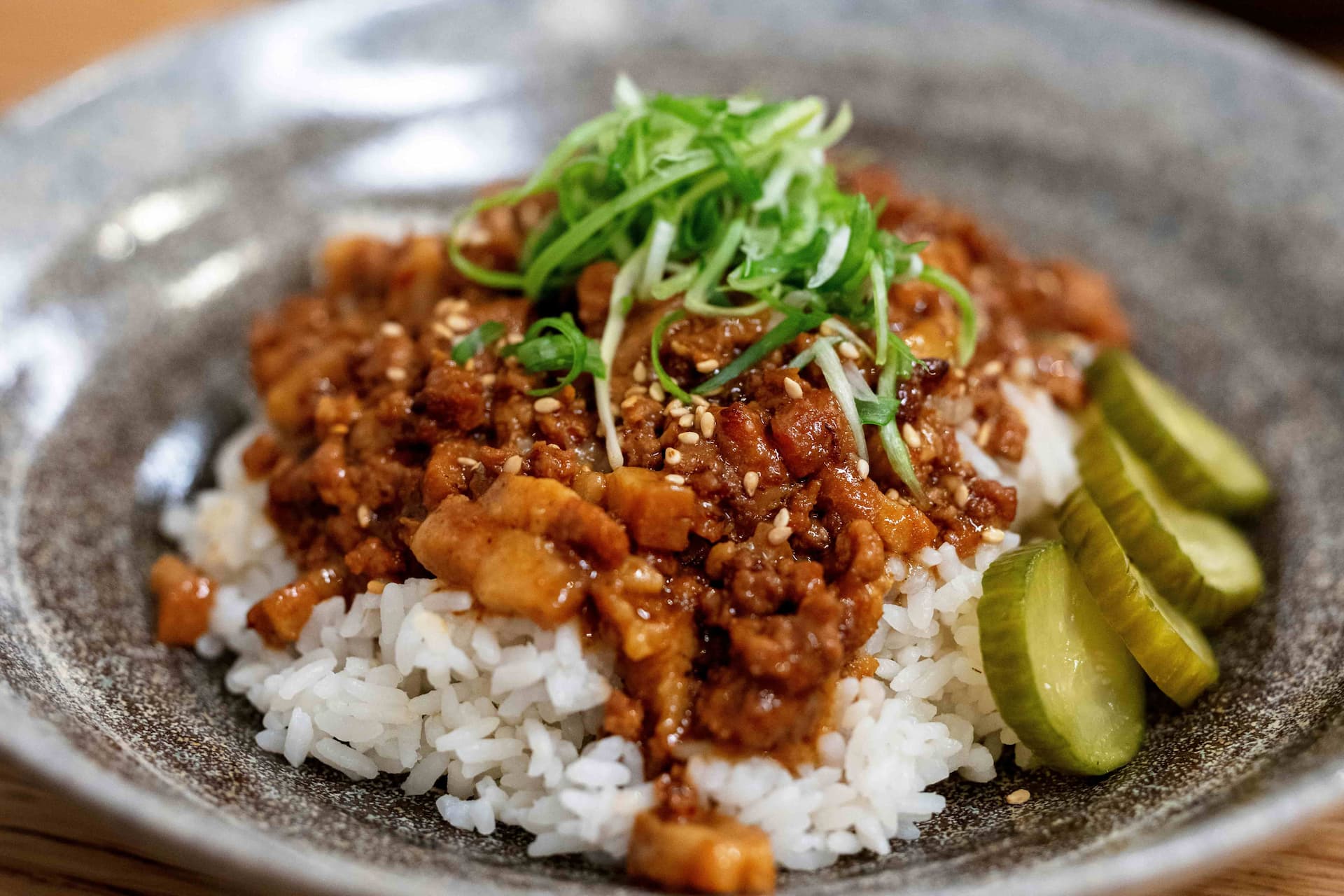
Taiwanese cuisine shares many similarities with Chinese cuisine, with rice, noodles, soups, and pork forming the foundation of many everyday meals. Seafood also plays an important role in the island’s food culture, with dishes featuring fish, squid, oysters, and other fresh ingredients widely available throughout Taiwan.
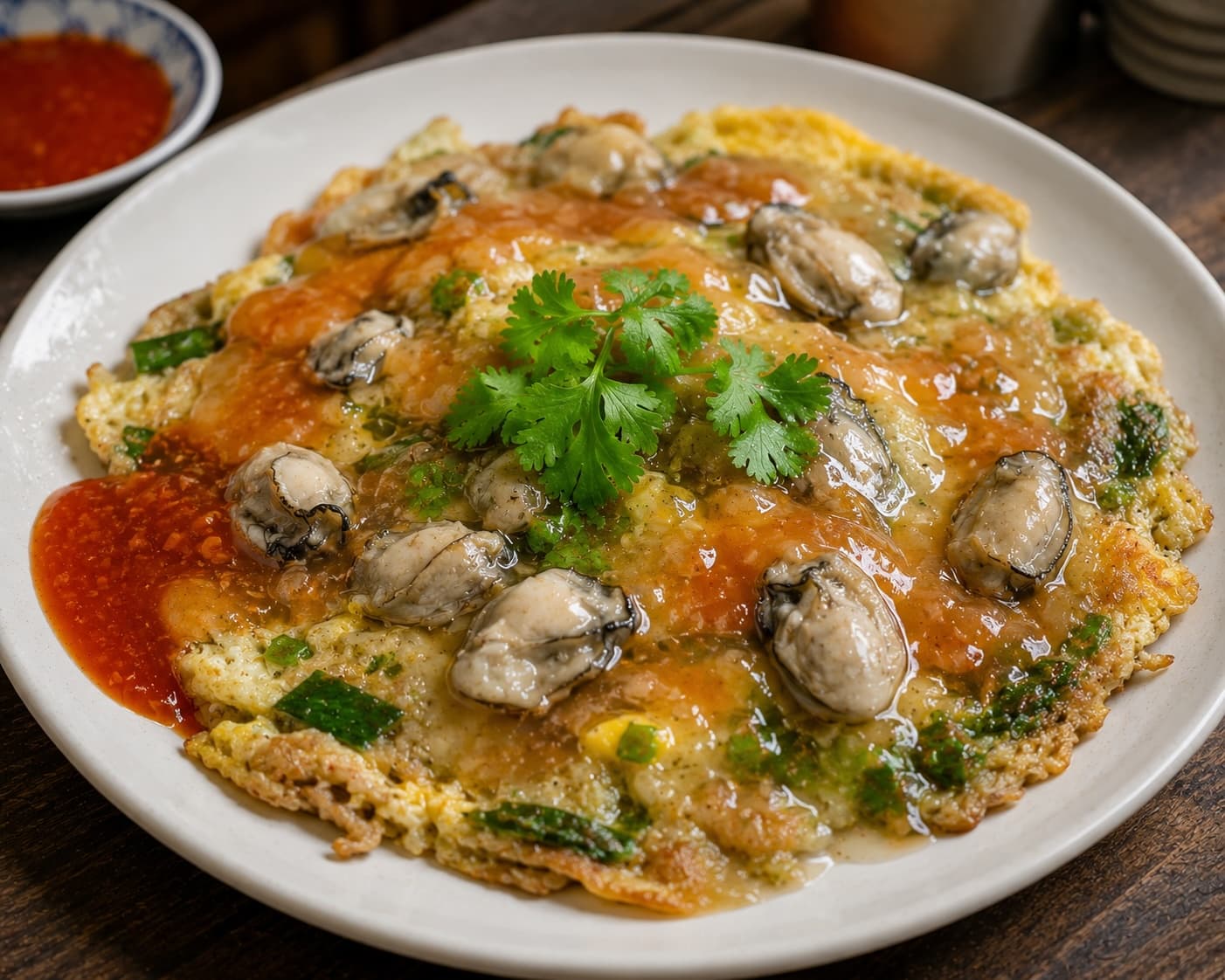
Regional flavors vary across the island, with southern Taiwanese cuisine often described as slightly sweeter than food from the north. Popular local dishes include turkey rice from Chiayi, oyster omelettes found in night markets, and a wide variety of hot pots enjoyed during colder seasons.
Vegetables, soy-based ingredients, and herbal broths are also commonly used in Taiwanese cooking, reflecting the island’s diverse culinary influences and emphasis on balance and variety.
Night markets
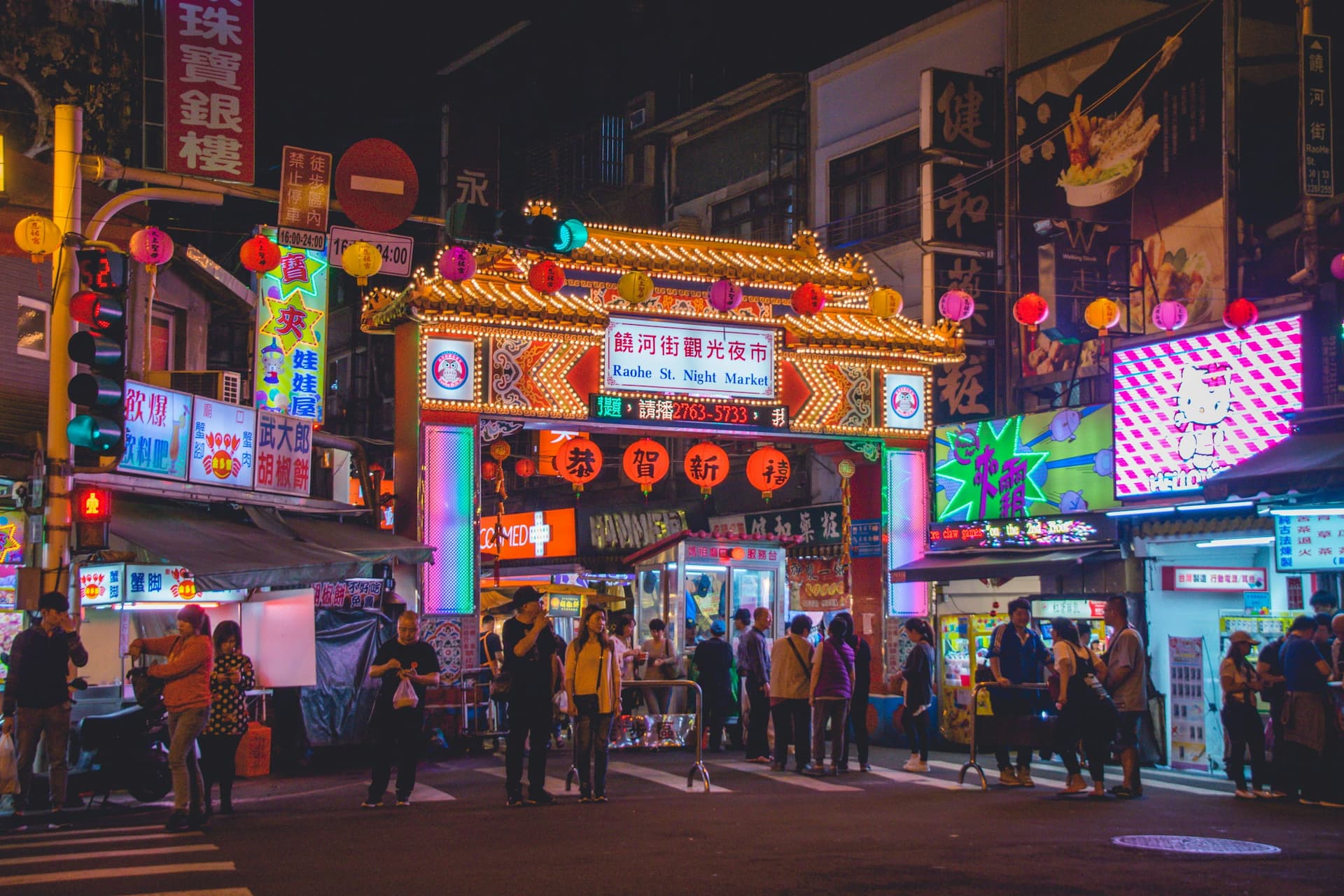
Night markets are one of the most iconic parts of Taiwanese culture. While roadside food vendors have existed for centuries, the large-scale night markets seen today became popular after World War II and gradually evolved into important social and cultural spaces.
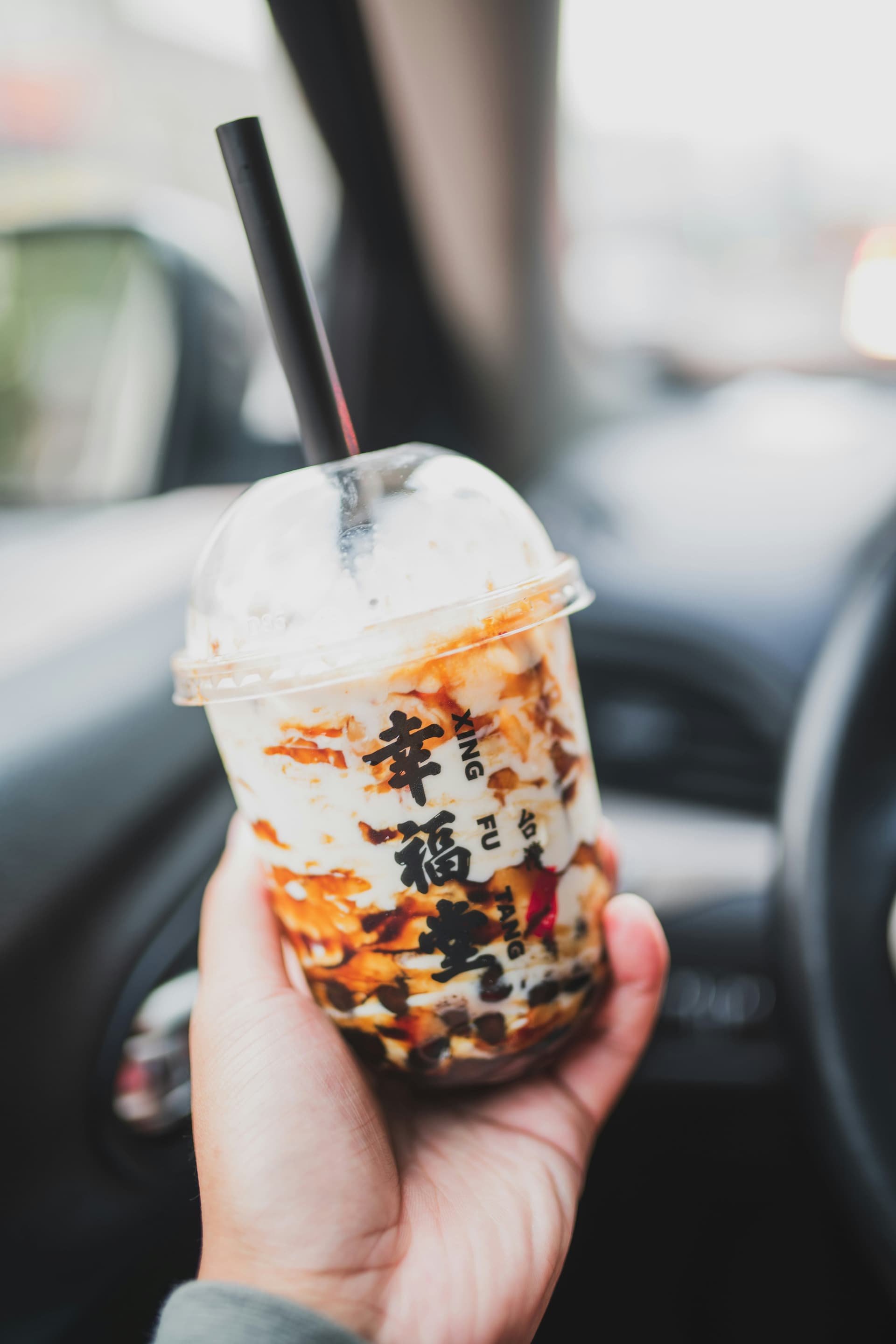
Today, night markets can be found across Taiwan, offering a huge variety of affordable street food, snacks, drinks, and small goods. Famous specialties such as stinky tofu, oyster omelettes, grilled seafood, and bubble tea attract both locals and visitors every night.
Many stalls have been operated by the same families for decades, with long queues forming around the most popular vendors. Well-known night markets include Fengjia Night Market in Taichung and Ningxia Night Market in Taipei.
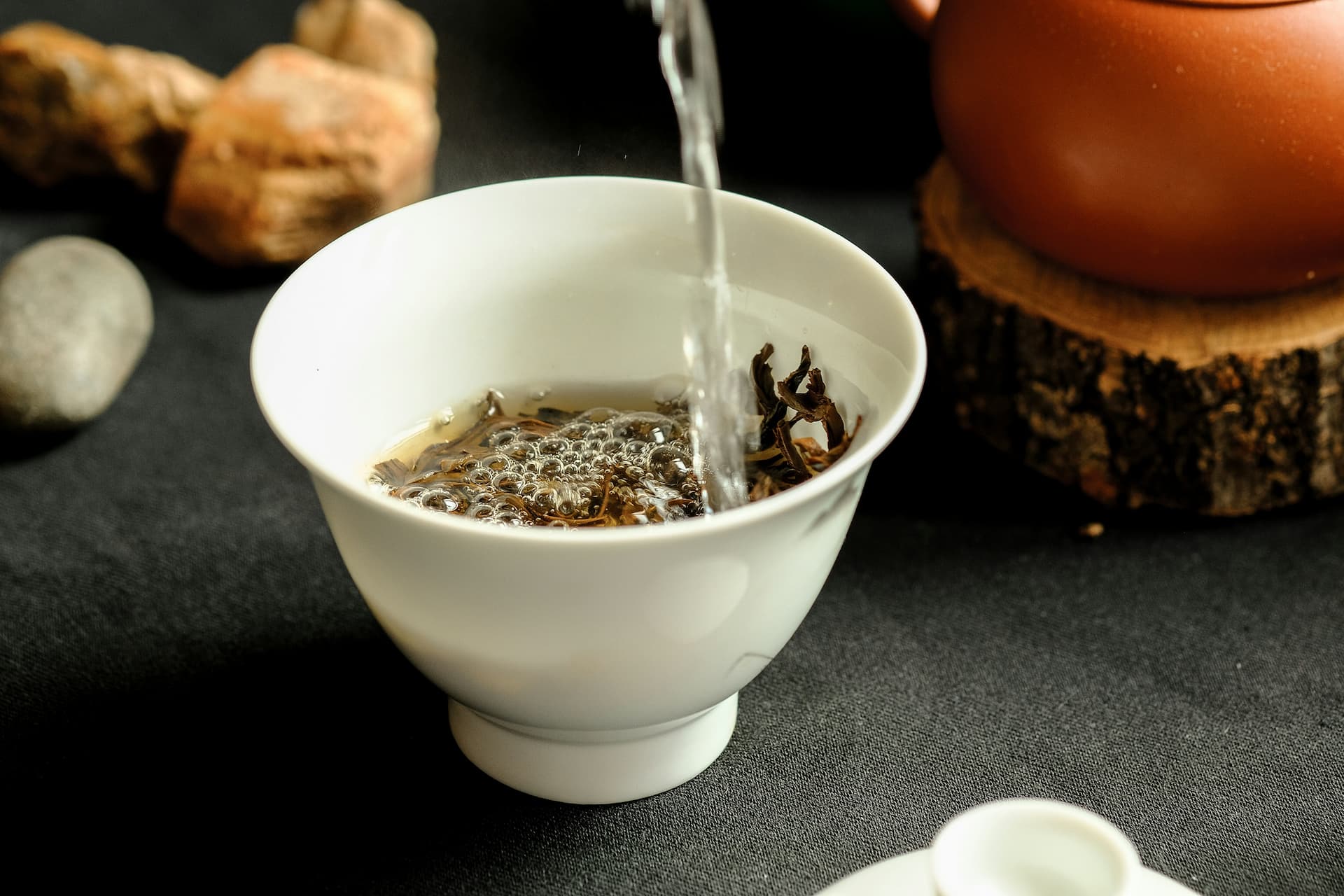
Taiwan’s premium teas
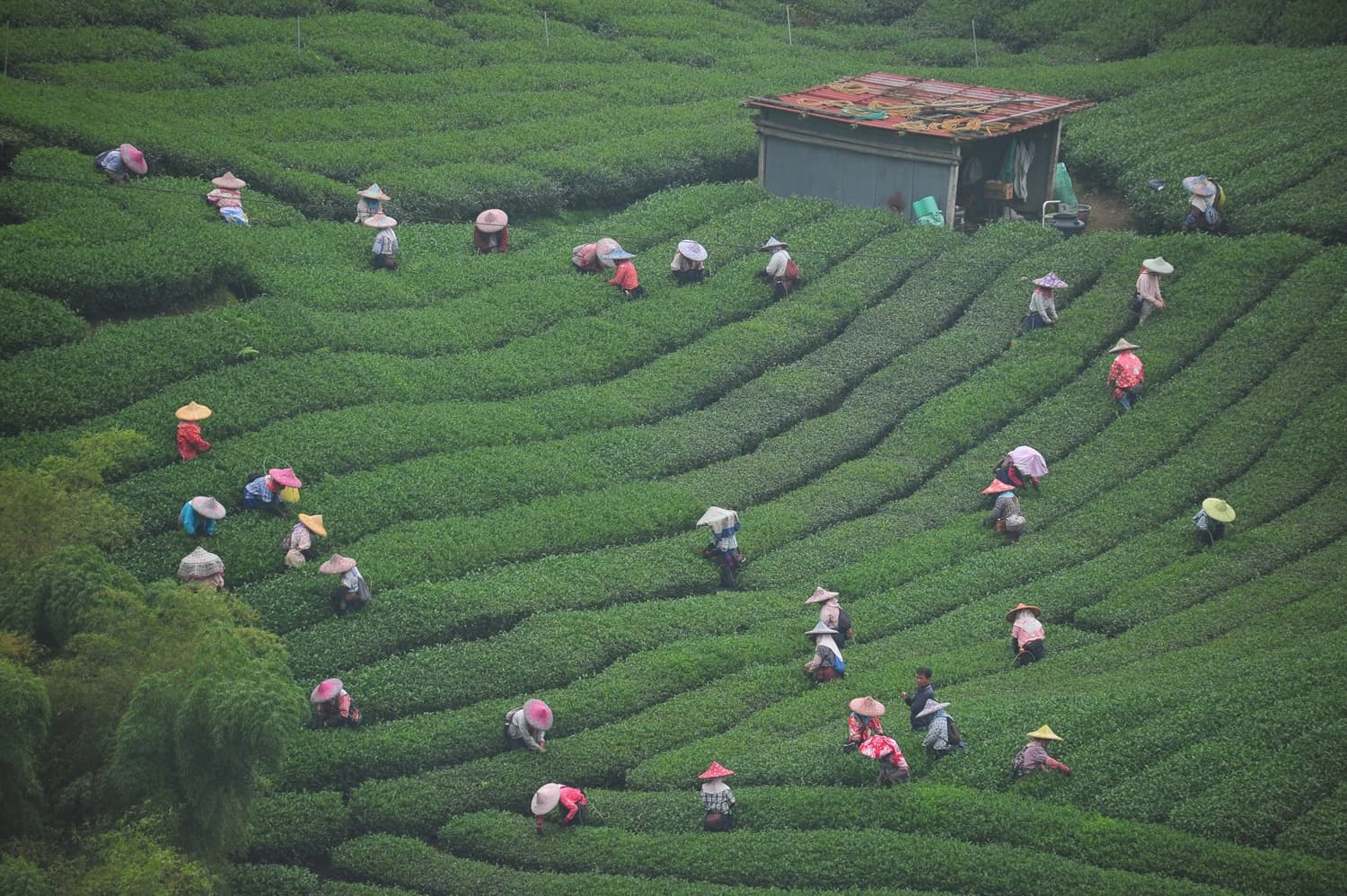
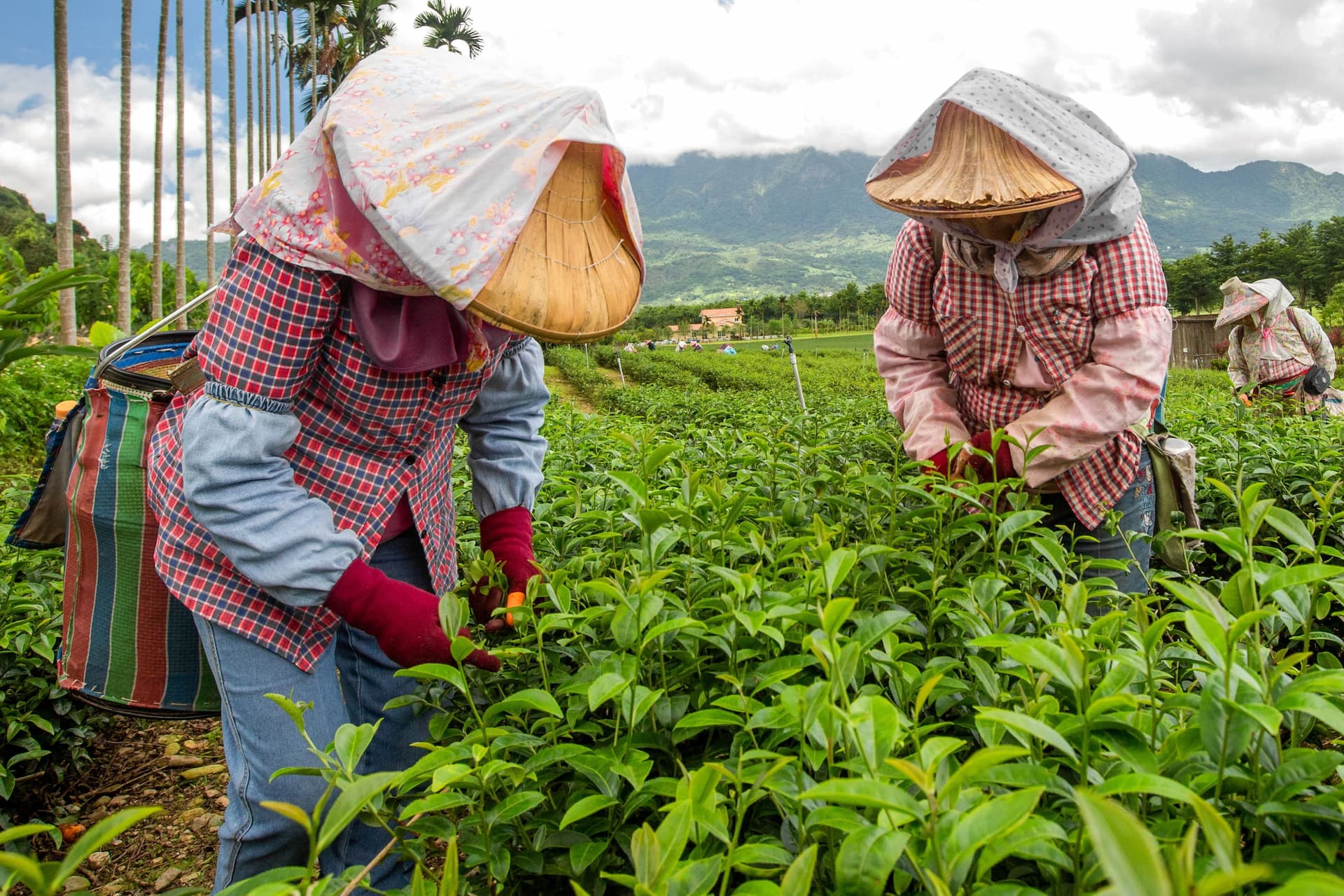
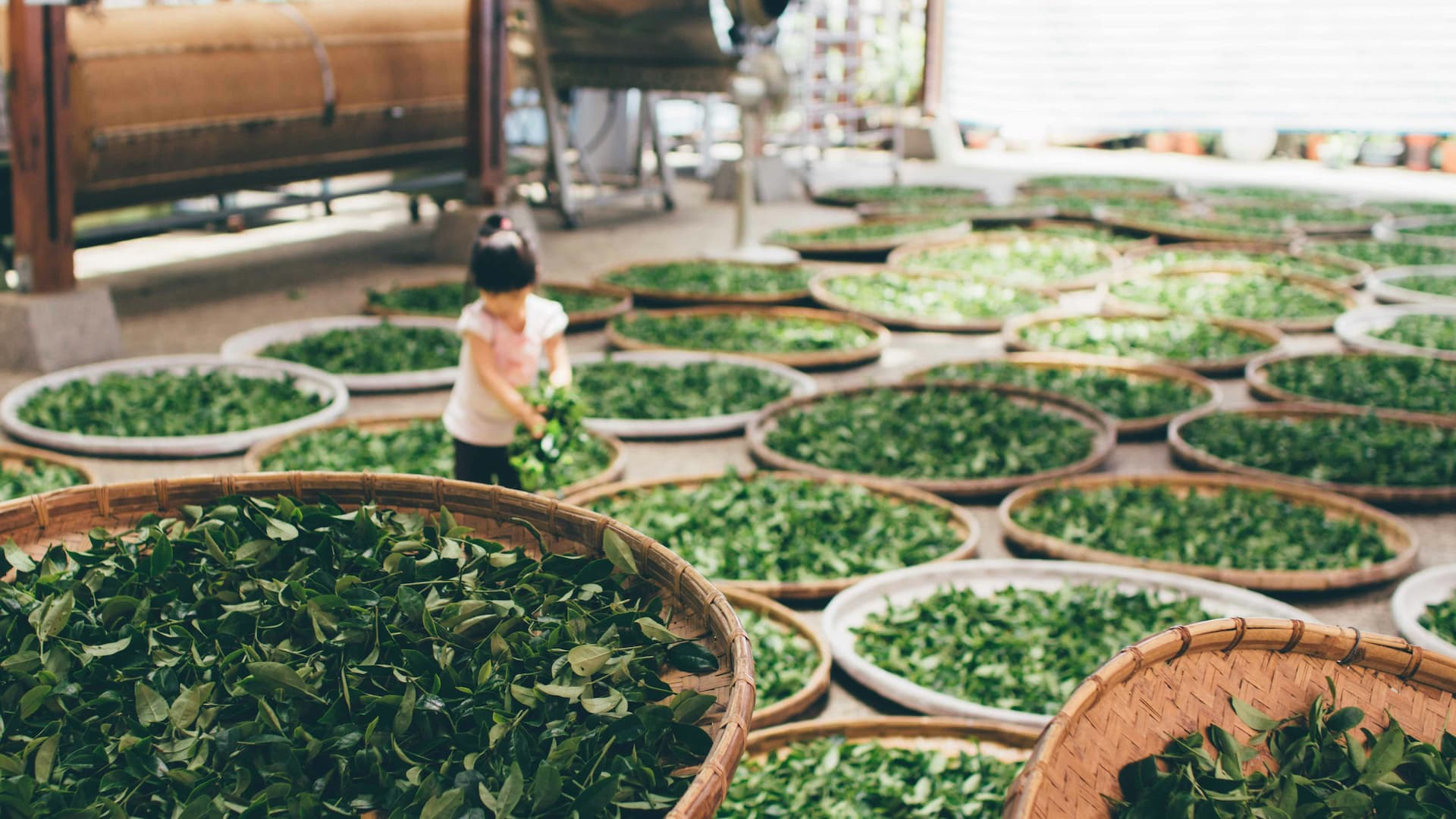
Tea has been an important part of Taiwanese culture and trade for more than 150 years. During the late 19th century, “Formosa oolong” became one of Taiwan’s first major exports to Western countries and quickly gained international recognition.
Today, Taiwan is known for producing high-quality teas rather than large quantities. Oolong teas such as Oriental Beauty and pouchong are especially prized by tea lovers around the world. Tea is grown in many scenic mountain regions across the island, including Alishan, Sun Moon Lake, and the hills surrounding Taipei.
Tea shops can be found throughout Taiwan, and packaged teas remain one of the island’s most popular souvenirs. Alongside traditional tea culture, modern café culture has also flourished in recent decades, with coffee shops now common across Taiwan.